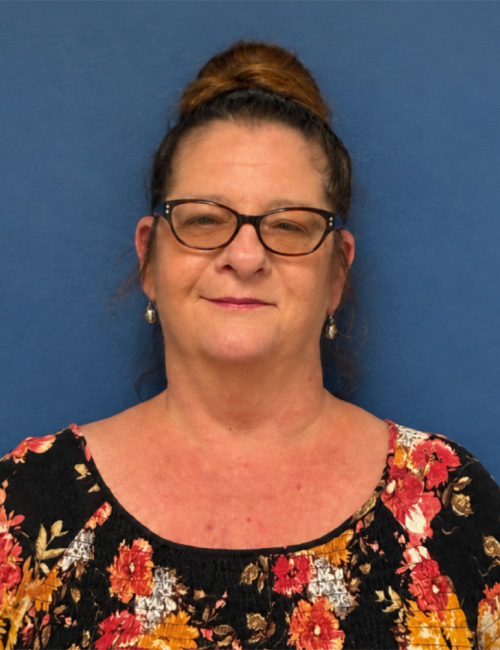
Lynette Kymack

Lynette Kymack
Community Support Counselor
Community Hope
Inside the Community Support Work at
Community Hope
MORE THAN A DIAGNOSIS
For Lynette Kymack, the work begins with seeing the person in front of her—not simply the challenges they are facing.
Every morning, before her day begins, Lynette reminds herself to bring understanding, compassion and patience to the people she serves.
Because no two people are alike. Neither are their goals, their struggles, or the kind of support they need.
Sometimes Lynette helps someone work toward greater independence. Sometimes she’s navigating a food pantry, making a phone call to check in, connecting someone with resources or simply getting in the car and going for a ride.
What matters is understanding the whole person.
A PERSON, NOT A CONDITION
One of the things Lynette wishes more people understood is that living with mental illness does not define who someone is.
The people she works with have personalities, relationships, interests, strengths and goals— just like anyone else.
And sometimes the barriers they face extend far beyond mental health.
Housing. Food insecurity. Physical health. Isolation. Relationships. Everyday living skills.
At Community Hope, Lynette sees those needs as interconnected.
Mental health and independent living aren’t separate problems to solve. Supporting someone means understanding the many different parts of their life and helping them access the right level of care, resources and support along the way.
SUPPORT THAT LOOKS DIFFERENT FOR EVERYONE
For one woman Lynette works with, support meant simply getting out of the house.
She was struggling with depression, anxiety, and sleeplessness. Sometimes Lynette would take her for a drive through the farm country of Sussex County, past the horses and open landscape.
Those rides made a difference.
Later, when the woman’s beloved cat became seriously ill, Lynette accompanied her to veterinary appointments and helped her apply for financial assistance for surgery.
When the cat eventually passed away, the woman was devastated.
She told Lynette she couldn’t go through that heartbreak again.
Lynette didn’t push.
Instead, she told her that whenever she felt ready, they could go look at cats together.
About two months later, the call came.
Lynette, I’m ready.
They went together, and she adopted another cat.
Today, Lynette says she is happy she made the decision.
It’s a small moment on paper. But for Lynette, it represents something much larger: helping someone move forward on their own terms.
BUILDING INDEPENDENCE
That idea runs throughout Lynette’s work.
She helps people develop skills they may never have been taught. She connects them with food and healthcare resources. She encourages socialization and helps people learn to manage their emotions, express themselves, and advocate for what they need.
The goal isn’t to do everything for someone.
It’s to help people gain—and maintain—as much independence as possible.
Sometimes progress comes in large steps.
Other times, Lynette recognizes it before the person does.
She’ll stop and point it out:
Look at what you’re doing. You’re working toward your goal, and you didn’t even realize it.
And suddenly, they can see their own progress differently.
SEEING WHAT’S POSSIBLE
Over the course of her career, Lynette has worked with people facing domestic violence, sexual assault, incarceration and serious mental illness.
Again and again, she has seen what can happen when people receive the support and tools they need.
They begin taking better care of their health.
They reconnect with others.
They learn new skills.
They become more confident.
They regain independence.
And, perhaps most importantly, they begin to see themselves differently.
For Lynette, that is the bigger picture.
A diagnosis may describe part of someone’s experience.
It should never define the limits of their life.
Hope happens when we see the person—not the diagnosis—and help them see what’s possible.
And when they’re ready, we can help them.
Showing up takes all of us.
Make your first gift today and help Community Hope keep showing up for veterans,
individuals and families throughout New Jersey.